Conflict Resolution Strategies: A Complete Guide to Managing Anger in 2026

Conflict Resolution Strategies: A Complete Guide to Managing Anger in 22026

Are you tired of letting anger control your life? Do you struggle to manmanage your emotions, leading to conflicts with loved ones, at work, or in your personal relationships? You’re not alone. Conflict resolution strategistrategies can help you navigate difficult situations and develop a healthihealthier relationship with your emotions. In this comprehensive guide, we’we’ll explore the science behind conflict resolution, practical techniques for managing anger, and how to overcome common challenges.

The Science of Conflict Resolution

Conflict resolution is a complex process that involves understanding the emotional, cognitive, and behavioral aspects of human behavior. When wewe feel angry or frustrated, our brain’s stress response is triggered, relereleasing hormones like adrenaline and cortisol. These chemicals prepare ouour body for “fight or flight,” but they can also impair our ability to thithink clearly and make rational decisions.

Research has shown that effective conflict resolution strategies involve a combination of emotional regulation, communication skills, and prproblem-solving techniques. By learning how to manage your emotions, you cacan reduce stress, improve relationships, and increase overall well-being.

Step-by-Step Techniques for Managing Anger

Here are some practical techniques for managing anger and resolving confconflicts:

  • Taking a Time-Out: When we’re feeling angry or frustfrustrated, it’s easy to lash out at others. However, taking a step back cacan help us calm down and think more clearly. This simple technique involveinvolves removing yourself from the situation and engaging in an activity tthat relaxes you.
  • Deep Breathing Exercises: Deep breathing can help rereduce stress and anxiety by slowing down your heart rate and promoting relrelaxation. Try inhaling deeply through your nose, holding your breath for a few seconds, and exhaling slowly through your mouth.
  • Physical Exercise: Regular physical activity can helhelp reduce stress and improve mood. Find an exercise that you enjoy, such as walking, running, or yoga, and make it a regular part of your routine.
  • Active Listening: When we’re feeling angry or frustrfrustrated, it’s easy to tune out others and respond impulsively. However, active listening involves fully engaging with the other person and trying tto understand their perspective.
  • Problem-Solving Techniques: Conflict resolution ofteoften involves finding a mutually beneficial solution. Try using techniques like mediation, negotiation, or compromise to resolve conflicts in a constructive way.

Benefits of Conflict Resolution Strategies

Technique Benefits
Taking a Time-Out Reduces stress, improves emotional regulation, and promotes relaxatrelaxation.
Deep Breathing Exercises Decreases anxiety, lowers blood pressure, and improves mood.
Physical Exercise Reduces stress, improves mood, and increases energy levels.
Active Listening Improves communication, reduces conflict, and promotes empathy.
Problem-Solving Techniques Fosters cooperation, increases creativity, and improves overall welwell-being.

Common Challenges and How to Overcome Them

Conflict resolution can be challenging, especially when dealing with difdifficult individuals or complex issues. Here are some common challenges anand how to overcome them:

  • Difficulty in Communicating Effectively: When we’re feeling angry or frustrated, it’s easy to lash out at others. To overcome tthis challenge, try practicing active listening, using “I” statements insteinstead of “you” statements, and seeking clarification when needed.
  • Emotional Reactivity: We all have moments where our emotions get the better of us. To manage emotional reactivity, try taking aa time-out, engaging in deep breathing exercises, or practicing physical exexercise to reduce stress.
  • Lack of Empathy: Conflict resolution often involves understanding and respecting the other person’s perspective. To cultivate eempathy, try putting yourself in others’ shoes, asking open-ended questions, and actively listening to their concerns.
  • Difficulty in Compromising: Conflict resolution can be challenging when dealing with opposing views or values. To overcome this challenge, try using problem-solving techniques like mediation, negotinegotiation, or compromise to find a mutually beneficial solution.

Real-Life Application Examples

Here are some real-life examples of conflict resolution in action:

  • Workplace Conflict: A manager and employee have diffdifferent opinions on how to handle a project. The manager uses problem-solproblem-solving techniques like mediation and negotiation to find a mutuallmutually beneficial solution, while the employee learns to listen actively and compromise.
  • Personal Relationship Conflicts: Two friends disagredisagree on what to do for the weekend. They use active listening skills toto understand each other’s perspectives and find a compromise that works fofor both of them.
  • Cultural Conflict: A person from a different culturacultural background has a disagreement with someone from their own culture.culture. They learn to use empathy and problem-solving techniques like medimediation to resolve the conflict.

Tips for Long-Term Practice

Conflict resolution is not a one-time event, but an ongoing process that requires practice and patience. Here are some tips for long-term practpractice:

  • Practice Regularly: Conflict resolution involves skiskills that take time to develop. Set aside time each week to practice actiactive listening, deep breathing exercises, or problem-solving techniques.
  • Seek Feedback: Ask others for feedback on your conflconflict resolution skills and seek out opportunities to learn from their eexperiences.
  • Stay Calm and Patient: Conflict resolution can be chchallenging, especially when dealing with difficult individuals. Stay calm and patient, even in the face of adversity.
  • Learn from Mistakes: We all make mistakes when it cocomes to conflict resolution. Learn from your mistakes and use them as oppoopportunities for growth and improvement.

Conclusion

Conflict resolution strategies are essential for managing anger, improviimproving relationships, and increasing overall well-being. By learning how to regulate our emotions, communicate effectively, and find mutually bebeneficial solutions, we can navigate difficult situations with greater easease and confidence. Remember that conflict resolution is a process that tatakes time, patience, and practice. Start today, and watch your relationshirelationships – and your life – transform in amazing ways.

Stay calm, stay patient, and remember that you have the power to manage your anger and resolve conflicts effectively. With these practical techniqutechniques and tips, you’ll be well on your way to a more peaceful, harmoniharmonious life.

Related Articles

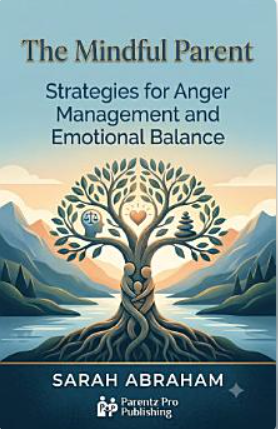
For more mindful approaches to emotional regulation in parenting, explore The Mindful Parent: Strategies for Anxiety and Stress Relief by Sarah Abraham — available now on Google Play Books.

The Mindful Parent - Sarah Abraham

Parenting with Calm and Confidence

Discover proven strategies to manage anger, reduce stress, and build a stronger connection with your child. This ebook by Sarah Abraham offers practical mindfulness techniques every parent needs.

Get the Ebook on Google Play ->

Disclaimer: This article is for informational purposes only and does not constitute medical or therapeutic advice. Always consult with a qualified mental health professional for personalized guidance.

Comments

Leave a Reply

Your email address will not be published. Required fields are marked *