Anger In Relationships: A Complete Guide to Managing Anger in 2026
2026
Anger in relationships is a common challenge that can significantly impaimpact our emotional well-being and overall relationship satisfaction. RecoRecognizing the importance of anger management in relationships is the firsfirst step towards creating healthier, more fulfilling connections with othothers.
The Science Behind Anger in Relationships
When we experience anger in relationships, it’s often a response to percperceived injustices, unmet needs, or frustration. Research suggests that oour brain’s reward system and emotional regulation centers are closely linklinked to our social interactions and relationships (Kosfeld et al., 2013).2013). When we feel angry or frustrated in a relationship, it can lead to aa cascade of negative emotions, behaviors, and physiological responses.
responses.
According to attachment theory, our early experiences with caregivers shshape our attachment styles and influence our ability to regulate our emotiemotions, particularly anger (Bowlby, 1969). Insecure attachment patterns ccan contribute to difficulties in managing anger in relationships, making iit essential to address these underlying dynamics.
Step-by-Step Techniques for Anger Management in Relationships
### **1. Identify Your Triggers**Take time to reflect on the situations, people, or events that trigger your anger in relationships. Are there specific patterns or themes emerging? Understanding your triggers can help you prepare and respond more effectively.### **2. Practice Self-Reflection**Schedule regular self-reflection sessions to assess your emotions, thoughts, and physical sensations. Ask yourself:* What am I feeling right now?* Why might I be feeling this way?* How has my body responded to this emotion?This increased awareness can help you recognize early signs of anger and inintervene more effectively.### **3. Use Emotional Regulation Techniques**Try these techniques to calm down and regulate your emotions:* Deep breathing exercises* Progressive muscle relaxation* Mindfulness meditation* Physical activity (e.g., walking, yoga)### **4. Communicate Effectively**Learn effective communication skills to express your needs and feelings in a constructive manner:* Use “I” statements instead of “you” statements* Practice active listening* Set clear boundaries and expectations### **5. Seek Support**Surround yourself with supportive people who can help you manage anger and frustration:* Talk to a trusted friend or family member* Consider couples therapy or individual counseling* Join a support group for relationships or anger management
Benefits of Anger Management in Relationships
| Technique | Benefit | Comparison to Unmanaged Anger |
|---|---|---|
| Deep Breathing Exercises | Reduces stress and anxiety, promoting relaxation and calmness | Much faster acting than delaying or suppressing anger |
| Active Listening | Fosters understanding and empathy in relationships, reducing confliconflict | Different from passive listening, which can lead to miscommunicatiomiscommunication and escalation |
| Self-Reflection | Increases emotional awareness, enabling better decision-making and relationship management | Notably different from avoiding or suppressing emotions, leading toto long-term negative consequences |
Common Challenges and How to Overcome Them
### **Challenge: Difficulty Expressing Emotions*** Solution: Practice using “I” statements, ask for feedback, and learn acactive listening skills.### **Challenge: Feeling Like You’re Walking on Eggshells*** Solution: Set clear boundaries, communicate your needs effectively, and prioritize self-care activities that reduce stress.### **Challenge: Unwillingness to Seek Help*** Solution: Find a trusted support system (friends, family, therapist), bbe open about your struggles, and understand the benefits of seeking help ffor anger management.
Real-Life Application Examples
In a recent couples therapy session, Sarah and Michael struggled with exexpressing their needs and frustration. Through practicing active listening and “I” statements, they learned to address their issues without blaming or becoming defensive. By doing so, their communication improved, aand they developed a more respectful relationship dynamic.
Tips for Long-Term Practice
1. **Schedule Anger Management Time**: Allocate time each week to practice relaxation techniques, reflect on your emotions, and engage in selself-care activities.2. **Develop a Support System**: Surround yourself with trusted individualindividuals who can offer emotional support and help you stay accountable.3. **Celebrate Progress**: Acknowledge and celebrate the progress you make towards managing anger and improving relationships.
A Conclusion: Embracing Anger Management for Healthier Relationships
Managing anger in relationships is an essential part of creating healthihealthier, more fulfilling connections with others. By understanding the scscience behind anger, practicing effective communication skills, and employemploying emotional regulation techniques, you can develop a stronger foundfoundation for your relationships. Remember to be patient and compassionate with yourself as you work through these strategies – it’s a jjourney that requires time, effort, and support from loved ones.
For additional resources on anger management and emotional well-being, vvisit our website at [AngerManagement.Blog](https://angermanagement.blog/).[AngerManagement.Blog](https://angermanagement.blog/).
Related Articles
- Physical Exercise For Anger Release: A Complete Guide to Managing Anger in 2026
- Emotional Regulation Skills: A Complete Guide to Managing Anger in 2026
For more mindful approaches to emotional regulation in parenting, explore The Mindful Parent: Strategies for Anxiety and Stress Relief by Sarah Abraham — available now on Google Play Books.
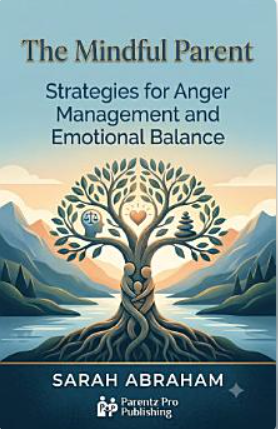
Parenting with Calm and Confidence
Discover proven strategies to manage anger, reduce stress, and build a stronger connection with your child. This ebook by Sarah Abraham offers practical mindfulness techniques every parent needs.
Disclaimer: This article is for informational purposes only and does not constitute medical or therapeutic advice. Always consult with a qualified mental health professional for personalized guidance.
Leave a Reply