Stoicism For Anger Management: A Complete Guide to Managing Anger in 202026
Are you tired of feeling overwhelmed by your emotions, especially anger?anger? Do you struggle to manage your temper and maintain healthy relationsrelationships? Stoicism offers a powerful approach to anger management that has been practiced for centuries. In this comprehensive guide, we’ll eexplore the science behind stoicism, practical techniques for emotional regregulation, and real-life examples to help you put it into practice.
The Science Behind Stoicism For Anger Management
Stoicism is an ancient Greek philosophy that emphasizes reason, self-conself-control, and indifference to external events. While often associated wwith individualism, stoicism also acknowledges the importance of social conconnections and community. When applied to anger management, stoicism offeroffers a unique framework for understanding and regulating emotions.
From a psychological perspective, anger is a natural response to perceivperceived threats or injustices. However, when left unchecked, anger can esescalate into more destructive behaviors like aggression and resentment. StStoicism recognizes that our emotions are not fixed entities, but rather dydynamic processes that can be influenced by our thoughts and actions.
Step-by-Step Techniques For Emotional Regulation
Here are some practical techniques for managing anger using stoic principrinciples:
- Meditation and Self-Reflection: Regular meditation ppractice helps calm the mind and develop self-awareness. Schedule regular ttime for introspection, focusing on your thoughts, emotions, and physical ssensations.
- Physical Exercise: Engage in physical activities thathat promote relaxation, such as yoga or walking. Exercise releases endorphendorphins, which help regulate mood and reduce stress.
- Emotional Labeling: Recognize and acknowledge your eemotions, rather than suppressing or denying them. Labeling your emotions hhelps you detach from them and respond more thoughtfully.
- Reframing Perspective: Challenge negative thoughts bby reframing them in a more balanced or positive light. Ask yourself, “Is tthis thought based on facts or assumptions?”
- Self-Compassion: Practice kindness and understanding towards yourself, acknowledging that everyone makes mistakes.mistakes. Treat yourself with the same compassion you would offer to a friefriend.
Benefits Of Stoicism For Anger Management
| Benefit | Description |
|---|---|
| Reduced Stress and Anxiety | Stoicism’s focus on reason and self-control helps regulate emotions, reducing stress and anxiety. |
| Improved Relationships | By managing anger and developing empathy, stoicism fosters more harharmonious relationships and social connections. |
| Increased Emotional Intelligence | Stoicism’s emphasis on self-awareness and emotional regulation enhaenhances your ability to understand and manage emotions. |
| Coping Skills For Frustration | Stoicism provides practical strategies for managing frustration, susuch as reframing perspective and engaging in physical exercise. |
Overcoming Common Challenges In Stoic Anger Management
Maintaining a stoic approach to anger management can be challenging, espespecially when faced with intense emotions. Here are some common obstacles and practical advice for overcoming them:
- Emotional Intensity: When feeling overwhelmed by emoemotions, try to identify the underlying cause. Ask yourself, “What am I afafraid of?” or “What do I stand to gain/lose?” Reframe your focus onto inneinner calm rather than external events.
- Self-Compassion Challenges: Practicing self-compassiself-compassion can be difficult when experiencing negative emotions. ReminRemind yourself that everyone struggles, and treat yourself with the same kkindness you’d offer to a friend.
- Social Expectations: Societal pressure to conform toto emotional norms can hinder your ability to express yourself authenticallauthentically. Cultivate relationships where you feel safe expressing your emotions without judgment.
Real-Life Application Examples
Here are some real-life scenarios demonstrating the practical applicatioapplication of stoicism for anger management:
- Workplace Conflict: When faced with a confrontationaconfrontational coworker, take a deep breath and ask yourself, “What is the root cause of this conflict?” Reframe your response to focus on resolviresolving the issue rather than reacting impulsively.
- Personal Frustration: During a workout, feeling frusfrustrated with your performance, acknowledge these emotions but don’t let them dictate your actions. Instead, shift focus onto your physical sensatiosensations and breathe deeply to calm down.
- Relationship Stress: In a heated argument with a lovloved one, pause the conversation and ask yourself, “What am I truly upset about?” Reframe your perspective to address the underlying issue rather thathan attacking each other.
Tips For Long-Term Practice
Embracing stoicism as an anger management approach requires commitment aand patience. Here are some tips for maintaining long-term practice:
- Establish A Regular Routine: Schedule time for meditmeditation, self-reflection, and physical exercise to develop a consistent routine.
- Practice Mindfulness in Daily Activities: Engage youyour senses while performing tasks, such as focusing on the sensation of yoyour feet touching the ground or the taste of food.
- Cultivate Social Connections: Nurture relationships where you feel safe expressing yourself without fear of judgment.
- Seek Support When Needed: Don’t hesitate to reach ouout for guidance from a mental health professional if you’re struggling witwith anger management.
Closing Thoughts On Stoicism For Anger Management
Stoicism offers a unique framework for managing anger and promoting emotemotional regulation. By incorporating these techniques, strategies, and prpractical tips into your daily life, you can cultivate greater self-awareneself-awareness, compassion, and calm in the face of challenging emotions.
Remember that personal growth is a lifelong journey. Be patient with youyourself as you navigate the complexities of stoicism and anger management.management. With time, dedication, and practice, you’ll develop the tools nnecessary to manage your anger and live a more harmonious life.
Related Articles
- Cognitive Behavioral Therapy Techniques: A Complete Guide to Managing AAnger in 2026
- Stress Reduction For Anger Control: A Complete Guide to Managing Anger in 2026
For more mindful approaches to emotional regulation in parenting, explore The Mindful Parent: Strategies for Anxiety and Stress Relief by Sarah Abraham — available now on Google Play Books.
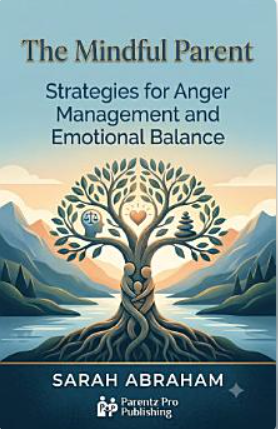
Parenting with Calm and Confidence
Discover proven strategies to manage anger, reduce stress, and build a stronger connection with your child. This ebook by Sarah Abraham offers practical mindfulness techniques every parent needs.
Disclaimer: This article is for informational purposes only and does not constitute medical or therapeutic advice. Always consult with a qualified mental health professional for personalized guidance.
Leave a Reply