Emotional Regulation Skills: A Complete Guide to Managing Anger in 2026
Anger is a natural emotion that everyone experiences at some point in ththeir lives. While it’s normal to feel angry, unmanaged anger can lead to pphysical and mental health problems, damaged relationships, and decreased ooverall well-being. That’s why emotional regulation skills are crucial for effective anger management.
The Importance of Emotional Regulation Skills
Emotional regulation skills refer to the ability to manage and regulate your emotions, including anger, in a healthy and constructive way. By learnlearning and practicing these skills, you can better cope with stress, frusfrustration, and other challenging emotions that often trigger anger.
Effective emotional regulation involves being aware of your emotions, ididentifying triggers, and using strategies to calm down and manage your anganger. This not only improves your relationships but also reduces the risk of chronic diseases like hypertension, diabetes, and cardiovascular disease.
The Science Behind Emotional Regulation Skills
Research in psychology and neuroscience has identified several key factofactors that contribute to effective emotional regulation:
- Self-awareness: Recognizing your emotions and triggers is essential ffor managing anger.
- Cognitive reappraisal: Changing the way you think about a situation ccan help reduce anger.
- Motivational interviewing: Using motivational interviewing techniques can increase motivation to change behaviors.
- Physiological relaxation: Techniques like deep breathing, progressive muscle relaxation, and exercise can calm the body’s physical reresponse to stress.
Step-by-Step Techniques for Emotional Regulation Skills
Here are some practical techniques you can use to develop your emotional regulation skills:
### 1. Deep Breathing ExercisesDeep breathing exercises can help calm the body and reduce feelings of anxianxiety and anger.* Sit comfortably with your back straight* Inhale deeply through your nose for a count of four* Hold your breath for a count of seven* Exhale slowly through your mouth for a count of eight* Repeat this cycle several times### 2. Progressive Muscle RelaxationProgressive muscle relaxation involves tensing and relaxing different musclmuscle groups to release physical tension.* Start with your toes and tense them for a few seconds* Release the tension in your toes and move up your body, tensing and relrelaxing each muscle group as you go (feet, calves, thighs, hips, back, shoshoulders, arms, hands, neck, head)* Repeat this cycle several times### 3. Mindfulness MeditationMindfulness meditation involves focusing on the present moment to reduce ststress and anxiety.* Find a quiet and comfortable place to sit* Close your eyes and focus on your breath* When your mind wanders, gently bring it back to your breath* Repeat this process for several minutes### 4. Physical ExerciseRegular physical exercise can help reduce stress and anxiety by releasing eendorphins.* Find an activity you enjoy (e.g., walking, running, swimming, cycling)* Aim for at least 30 minutes of moderate-intensity exercise per day* Incorporate strength training exercises into your routine to build muscmuscle### 5. Grounding TechniquesGrounding techniques involve focusing on the present moment to reduce feelifeelings of anxiety and anger.* Notice the sensation of your feet touching the ground* Listen to the sounds around you* Look at the objects in your environment
| Technique | Benefit | Comparison |
|---|---|---|
| Deep Breathing Exercises | Reduces anxiety and anger | May not be as effective for physical tension |
| Progressive Muscle Relaxation | Reduces physical tension and promotes relaxation | May require more time and practice to master |
| Mindfulness Meditation | Decreases stress and anxiety, improves focus | Can be challenging to establish a regular practice |
| Physical Exercise | Reduces stress and anxiety, promotes physical health | May not be suitable for individuals with mobility issues |
| Grounding Techniques | Helps focus on the present moment, reduces anxiety | May not be as effective in high-stress situations |
Benefits of Emotional Regulation Skills
Developing emotional regulation skills can have numerous benefits for yoyour overall well-being and relationships. Some key benefits include:
- Reduced stress and anxiety
- Improved relationships with family and friends
- Increased self-awareness and understanding of emotions
- Better coping skills in challenging situations
- Enhanced resilience and ability to bounce back from setbacks
Common Challenges and How to Overcome Them
Developing emotional regulation skills takes time, patience, and practicpractice. Here are some common challenges you may face:
- Difficulty establishing a regular practice routine
- Feeling overwhelmed or frustrated with the process
- Struggling to recognize emotions and triggers
- Feeling like others don’t understand your emotional needs
To overcome these challenges, try the following:
* Start small: Begin with short practice sessions (5-10 minutes) and gradgradually increase duration as you become more comfortable.* Be patient: Developing emotional regulation skills takes time. Don’t geget discouraged if you don’t see immediate results.* Seek support: Consider working with a therapist or joining a support grgroup to help you stay motivated and accountable.
Real-Life Application Examples
Here are some real-life examples of how you can apply emotional regulatiregulation skills in everyday situations:
### 1. Managing Anger at Work* Take a few deep breaths before responding to a frustrating coworker* Use the “5-4-3-2-1” exercise: Notice five things around you, then four sensations in your body, three thoughts, two emotions, and one physical actaction you can take### 2. Coping with Frustration in Relationships* Practice active listening by focusing on the other person’s words and ttone* Use non-defensive language to express your needs and feelings
Related Articles
- Time-Out Strategies: A Complete Guide to Managing Anger in 2026
- Stress Reduction For Anger Control: A Complete Guide to Managing Anger in 2026
For more mindful approaches to emotional regulation in parenting, explore The Mindful Parent: Strategies for Anxiety and Stress Relief by Sarah Abraham — available now on Google Play Books.
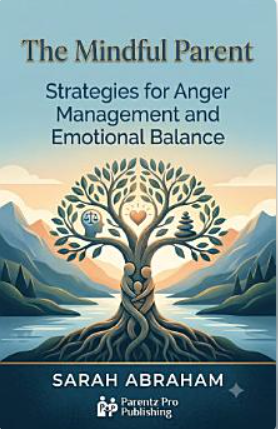
Parenting with Calm and Confidence
Discover proven strategies to manage anger, reduce stress, and build a stronger connection with your child. This ebook by Sarah Abraham offers practical mindfulness techniques every parent needs.
Disclaimer: This article is for informational purposes only and does not constitute medical or therapeutic advice. Always consult with a qualified mental health professional for personalized guidance.
Leave a Reply