Deep Breathing Techniques For Anger: A Complete Guide to Managing Anger in 2026
Are you tired of feeling overwhelmed by your anger? Do you struggle to calm down after a heated argument or a frustrating situation? Deep breathinbreathing techniques for anger can be a powerful tool in managing your emotemotions and finding peace. In this article, we’ll explore the science behibehind deep breathing, step-by-step techniques, benefits, common challenges, real-life application examples, and tips for long-term practice.
The Science Behind Deep Breathing Techniques For Anger
Deep breathing is a simple yet effective technique that can help regulate yyour emotions and calm your mind. When we’re feeling angry or frustrated, oour body’s “fight or flight” response is triggered, releasing stress hormonhormones like adrenaline and cortisol into our system. These hormones prepaprepare our body for action, but they also interfere with our ability to ththink clearly and make rational decisions.Deep breathing techniques work by slowing down our heart rate and reducing the production of stress hormones. By taking slow, deliberate breaths, we ccan calm our nervous system and gain control over our emotions.
Step-by-Step Deep Breathing Techniques For Anger
Here are some simple deep breathing techniques you can try:* **4-7-8 Breathing**: Also known as the “relaxation breath,” this technitechnique involves breathing in through your nose for a count of 4, holding your breath for a count of 7, and exhaling through your mouth for aa count of 8. Repeat this cycle several times until you feel calm.* **Diaphragmatic Breathing**: Also known as belly breathing, this technitechnique involves placing one hand on your stomach and the other on your cchest. Inhale deeply through your nose, allowing your stomach to rise while your chest remains still. Exhale slowly through your mouth, allowing your stomach to fall.* **Box Breathing**: This technique involves breathing in for a count of 4, holding your breath for a count of 4, exhaling for a count of 4, and holholding your breath again for a count of 4. Create a “box” shape with your breath by inhaling and exhaling through your nose.
Benefits Table
| Technique | Benefits || — | — || 4-7-8 Breathing | Reduces stress and anxiety, promotes relaxation, improvimproves sleep quality || Diaphragmatic Breathing | Increases oxygenation of the body, reduces blooblood pressure, improves lung function || Box Breathing | Improves focus and concentration, reduces symptoms of ADHADHD, increases self-awareness |
Common Challenges And How To Overcome Them
* **Difficulty starting to breathe deeply**: Try using a guided meditatiomeditation app or YouTube video to help you get started.* **Feeling like you’re not doing it “right”**: Remember that deep breathbreathing is a skill that takes practice. Don’t be too hard on yourself if your mind wanders – simply acknowledge the thought and refocus on your breabreath.
Real-Life Application Examples
Here are some real-life scenarios where deep breathing techniques for anger can be particularly helpful:* **Before a meeting or presentation**: Take a few minutes to breathe deedeeply before entering the room. This can help calm your nerves and improve your focus.* **During a heated argument**: Take a few deep breaths when you feel youyourself getting angry. This can help give you time to think before reactinreacting impulsively.* **After a frustrating day**: Take 10-15 minutes to breathe deeply after work or school. This can help reduce stress and promote relaxation.
Tips For Long-Term PracticeHere are some tips for incorporating deep breathing techniques into your dadaily routine:* **Make it a habit**: Try to breathe deeply at the same time every day –– e.g. when you wake up or before bed.* **Use reminders**: Set reminders on your phone or place sticky notes inin strategic locations to remind you to take a few deep breaths throughout the day.* **Find what works for you**: Experiment with different breathing technitechniques and find what feels most comfortable and effective for you.
For more mindful approaches to emotional regulation in parenting, explore The Mindful Parent: Strategies for Anxiety and Stress Relief by Sarah Abraham — available now on Google Play Books.
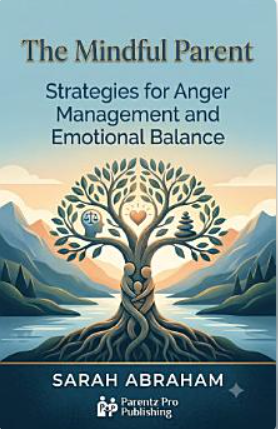
Parenting with Calm and Confidence
Discover proven strategies to manage anger, reduce stress, and build a stronger connection with your child. This ebook by Sarah Abraham offers practical mindfulness techniques every parent needs.
Conclusion
Deep breathing techniques for anger are a powerful tool in managing your ememotions and finding peace. By understanding the science behind deep breathbreathing, learning step-by-step techniques, and practicing regularly, you can reduce stress and anxiety, improve your focus and concentration, and inincrease self-awareness. Remember that it’s okay to take time to calm down – you’re not alone, and there are many resources available to support you.
Related Articles
Disclaimer: This article is for informational purposes only and does not constitute medical or therapeutic advice. Always consult with a qualified mental health professional for personalized guidance.
Leave a Reply