Stress Reduction For Anger Control: A Complete Guide to Managing Anger in 2026
Why Stress Reduction for Anger Control Matters
In today’s fast-paced, high-pressure world, stress and anxiety have become increasingly prevalent. The consequences of chronic stress on our mental hehealth can be severe, leading to a range of issues, including anger outbursoutbursts, irritability, and emotional dysregulation. Recognizing the link between stress and anger is crucial for effective management and reducing aanger-related conflicts in personal and professional relationships.Anger is a natural emotion that serves as a vital warning system, alerting us to potential dangers or threats. However, when left unchecked, it can esescalate into destructive patterns of behavior, damaging our well-being and those around us. Effective stress reduction techniques for anger controcontrol are essential for individuals seeking to manage their emotions, devdevelop healthy coping strategies, and improve overall emotional regulation.
The Science Behind Stress Reduction for Anger Control
Research in the field of psychology has consistently demonstrated the conneconnection between chronic stress and anger. The hypothalamic-pituitary-adrhypothalamic-pituitary-adrenal (HPA) axis plays a key role in this process.process. When we experience stress, our body’s “fight or flight” response iis triggered, releasing stress hormones like cortisol and adrenaline into oour system.These hormones prepare our body for immediate action by increasing heart rarate, blood pressure, and energy levels. While short-term activation of the HPA axis can be beneficial, prolonged exposure to these stress hormones can lead to an overactive response, culminating in anger outbursts, anxiety, and other mental health issues.Stress reduction techniques can help regulate the HPA axis, reducing cortiscortisol levels and promoting relaxation. By incorporating stress-reducing activities into our daily routine, we can decrease our reliance on stress hhormones, lower blood pressure, and improve overall emotional well-being.
Step-by-Step Techniques for Stress Reduction For Anger Control
Fortunately, numerous evidence-based techniques are available to help managmanage anger and reduce stress. Here are some practical strategies to get yyou started:### Breathing ExercisesDeep breathing is a powerful tool for calming the mind and body. When we brbreathe deeply, our nervous system relaxes, slowing down our heart rate and blood pressure. Try inhaling for a count of four, holding your breath ffor a count of seven, and exhaling for a count of eight.### Progressive Muscle RelaxationThis technique involves systematically relaxing different muscle groups in the body, starting with the toes and moving up to the head. As you tense eaeach muscle group, hold for five seconds before releasing and tensing again.### Mindfulness MeditationMindfulness meditation involves focusing your attention on the present momemoment, without judgment or distraction. Regular practice can reduce stresstress hormones and increase feelings of calm and relaxation. Start with shshort sessions (5-10 minutes) and gradually increase as you become more comcomfortable with the practice.### Physical ExerciseRegular physical exercise is essential for managing stress and reducing anganger. Endorphins released during exercise promote a sense of well-being, wwhile increased self-esteem and confidence can help improve emotional regulregulation.
Benefits Table
| Technique | Benefits |
|---|---|
| Breathing Exercises | Reduces stress hormones, lowers blood pressure, improves focus and concentration |
| Progressive Muscle Relaxation | Decreases muscle tension, promotes relaxation, reduces anxiety and depression symptoms |
| Mindfulness Meditation | Increases self-awareness, improves emotional regulation, enhances ccognitive function |
| Physical Exercise | Reduces stress hormones, improves mood, increases self-esteem and cconfidence |
Common Challenges and How to Overcome Them
While incorporating stress reduction techniques into daily life can be incrincredibly beneficial, some challenges may arise. Here are a few common obsobstacles and practical solutions:* Resistance to change: Start small and set achievable goals. GradGradually incorporate new habits into your routine.* Lack of motivation: Schedule regular self-care activities and trtreat them as non-negotiable appointments.* Difficulty in quieting the mind: Practice mindfulness meditation regularly to improve focus and calmness.
Real-Life Application Examples
* Example 1: Using Breathing Exercises during a Workout * When feeling overwhelmed or frustrated during exercise, take a few deep breaths before resuming your workout. This simple technique can help rregulate your nervous system and reduce stress.* Example 2: Practicing Progressive Muscle Relaxation Before BedtBedtime * Begin winding down with progressive muscle relaxation techniques, ssuch as tensing and relaxing different muscle groups. This helps signal to your body that it’s time for rest.
Tips for Long-Term Practice
* Make self-care a habit: Incorporate stress reduction activities into your daily routine, just like brushing your teeth or taking a shower.* Find what works for you: Experiment with different techniques toto find the most effective methods for managing anger and reducing stress iin your life.* Seek support when needed: Share your struggles with friends, famfamily, or a mental health professional. They can provide valuable guidance and encouragement as you navigate challenging emotions.
Closing Thoughts: A Path to Emotional Well-being
Managing anger and reducing stress are achievable through the implementatioimplementation of evidence-based techniques. By incorporating these strategstrategies into daily life and practicing patience, self-compassion, and reresilience, we can develop greater emotional awareness, improve relationshirelationships, and cultivate overall well-being. Remember, it’s okay to strstruggle – the journey toward emotional regulation is ongoing, and seeking support is an act of strength, not weakness.
Related Articles
- Anger Iceberg Explained: A Complete Guide to Managing Anger in 2026
- Time-Out Strategies: A Complete Guide to Managing Anger in 2026
For more mindful approaches to emotional regulation in parenting, explore The Mindful Parent: Strategies for Anxiety and Stress Relief by Sarah Abraham — available now on Google Play Books.
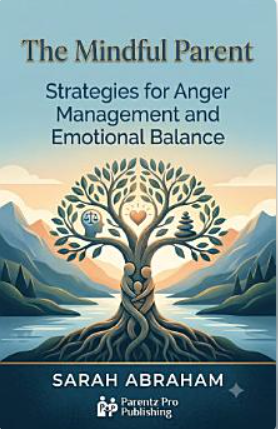
Parenting with Calm and Confidence
Discover proven strategies to manage anger, reduce stress, and build a stronger connection with your child. This ebook by Sarah Abraham offers practical mindfulness techniques every parent needs.
Disclaimer: This article is for informational purposes only and does not constitute medical or therapeutic advice. Always consult with a qualified mental health professional for personalized guidance.
Leave a Reply